Source Eco Friendly Cotton Ringer T Shirt for Fitness, Streetwear, and Promotions
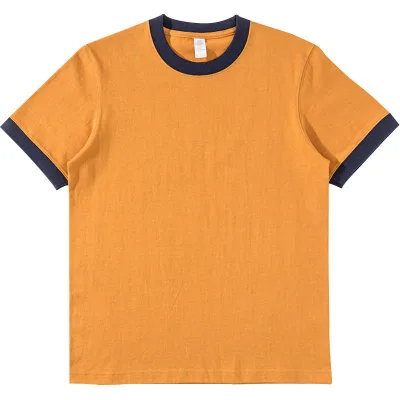
Find 30 eco friendly cotton ringer t shirt options tailored for fitness, streetwear, and promotional use. Compare breathable, custom-printed, and plain styles from Chinese manufacturers with varying GSM weights and packing standards; compare the available evidence and request quotations based on your requirements.
Key considerations
Products List




Comprehensive Sourcing Guide
Eco Friendly Cotton Ringer T Shirt Sourcing Guide
Sourcing eco-friendly cotton ringer t-shirts requires balancing specific aesthetic demands with verified sustainable material claims. Buyers must distinguish between generic cotton products and those explicitly designed with organic or low-impact processing methods. The observed market data indicates a strong presence of custom options, including plain and printed variations, which suggests flexibility in design but necessitates rigorous verification of the "eco" claim. Procurement teams should prioritize suppliers who can substantiate their material sourcing through transparent documentation rather than relying solely on marketing terminology.
The product landscape includes diverse styles ranging from streetwear and casual fits to performance-oriented fitness wear. While the supplied facts confirm the availability of cotton materials and various GSM weights, the specific "eco" certification status remains a variable that requires direct supplier confirmation. Buyers should focus on identifying manufacturers who offer custom labeling and packaging solutions, as these elements often reflect a higher commitment to sustainability standards. Understanding the distinction between standard cotton and certified eco-friendly variants is essential for aligning procurement with corporate sustainability goals.
Product Scope and Observed Listing Signals
The current market listings reveal a wide spectrum of t-shirt attributes, including short sleeves, round necks, and specific fabric weights like 210GSM and 180GSM. These variations indicate that suppliers cater to different seasonal needs, with summer being a primary focus for the observed inventory. The presence of both plain and printed patterns, alongside custom sample availability, suggests that buyers can expect significant customization capabilities. However, the term "eco-friendly" is not uniformly applied across all listed models, requiring careful filtering to isolate products that meet specific environmental criteria.
Observations show that product models such as MIC230111 and SV0879 offer distinct features like moisture absorption and breathability, which are critical for fitness and active wear applications. The data also highlights the availability of single-color options and extensive color customization, supporting the demand for unique branding. Buyers should note that while many listings support OEM services and custom labels, the specific material composition regarding organic cotton content must be verified against the actual product specifications provided by the manufacturer.
Technical Specifications to Verify
Technical due diligence must begin with confirming the exact fabric composition and weight, as these directly impact the garment's durability and environmental footprint. The observed listings mention cotton materials with weights ranging from 180GSM to 210GSM, but buyers must verify if the cotton is organic, recycled, or conventionally grown. It is crucial to request detailed material test reports that specify the fiber content percentage and any chemical treatments used during the weaving or knitting process. Without this verification, the "eco-friendly" designation may be misleading or unsupported by actual product performance data.
Manufacturing techniques such as woven or knitted structures also play a vital role in the final product quality and sustainability profile. The data indicates that both techniques are available, with specific models like C0242 utilizing knitted cotton for a specific fit. Buyers should ensure that the production methods align with their quality expectations, particularly regarding shrinkage control and colorfastness. Additionally, verifying the standard dimensions and packing specifications, such as the 35455 cm or 26165 cm packaging standards, helps in planning logistics and ensuring the product arrives in optimal condition.
Compliance and Safety Documentation
Compliance verification is paramount when sourcing eco-friendly textiles, as regulatory requirements vary significantly by destination market. While the supplied facts do not explicitly confirm GOTS certification for all listed items, buyers must demand proof of such certifications if they intend to market the products as organic or sustainably sourced. It is essential to request valid certificates from recognized bodies that verify the entire supply chain, from raw material cultivation to final garment assembly. Relying on supplier assertions without documented evidence can lead to compliance failures and reputational damage in regulated markets.
Safety documentation should also cover chemical restrictions and dyeing processes to ensure the final product is safe for consumer use. Buyers need to confirm that the printing methods, such as plain printing, adhere to local safety standards regarding heavy metals and harmful substances. The availability of custom samples allows for physical testing of these safety parameters before committing to large orders. Procurement teams should establish a checklist of required safety documents, including REACH compliance or similar regional standards, to ensure that every batch meets the necessary legal and safety thresholds.
Cost Drivers and Commercial Terms
Cost structures for eco-friendly cotton ringer t-shirts are influenced by material sourcing, certification fees, and the complexity of customization. The observed MOQ range of 2 to 1000 pieces indicates that suppliers offer flexibility for both small-batch testing and large-scale production. However, lower MOQs often come with higher unit costs due to the setup expenses for custom printing and labeling. Buyers should analyze the trade-off between order volume and unit price, considering that sustainable materials and certified processes typically command a premium over conventional cotton products.
Commercial terms regarding lead times and payment structures must be clearly defined to manage cash flow and inventory planning. The data suggests that 7-day fast proofing is available for some models, which can accelerate the design phase but may impact the overall production timeline. Buyers should negotiate clear delivery schedules that account for potential delays in material sourcing or certification verification. Additionally, understanding the cost implications of custom packing and labeling is essential, as these value-added services can significantly affect the final landed cost of the product.
Supplier Qualification and Quality Control
Supplier qualification requires a thorough assessment of their manufacturing capabilities and commitment to quality consistency. The presence of OEM services and custom label options suggests that many suppliers are equipped to handle bespoke requirements, but buyers must verify their track record with similar eco-friendly projects. It is advisable to conduct on-site audits or request third-party inspection reports to ensure that the production facilities adhere to the claimed environmental and quality standards. This due diligence helps mitigate the risk of receiving substandard goods that do not match the initial sample.
Quality control protocols should be established to monitor critical attributes such as fabric weight, color consistency, and stitching integrity. The observed listings mention features like moisture absorption and breathability, which must be validated through physical testing rather than relying on product descriptions alone. Buyers should implement a rigorous inspection plan that includes pre-production sample approval and during-production checks. Establishing clear acceptance criteria for defects and ensuring that the supplier has a robust system for handling non-conforming products is essential for maintaining brand reputation.
Long-Term Procurement Checks
Long-term procurement success depends on building a resilient supply chain that can adapt to changing market demands and sustainability regulations. Buyers should regularly review supplier performance metrics, including on-time delivery rates and defect rates, to ensure continued reliability. It is also important to stay informed about evolving environmental standards and certification requirements that may impact the sourcing strategy. Proactive communication with suppliers regarding new material innovations or process improvements can help maintain a competitive edge in the eco-friendly apparel market.
Continuous improvement initiatives should focus on optimizing the balance between cost, quality, and sustainability. Buyers should encourage suppliers to invest in more efficient production methods and sustainable material sourcing to reduce the overall environmental impact. Establishing a feedback loop for product performance and customer satisfaction can provide valuable insights for future design iterations. By maintaining a strategic partnership with qualified suppliers, buyers can ensure a steady supply of high-quality eco-friendly cotton ringer t-shirts that meet both commercial and ethical standards.
FAQs
Can I get custom eco friendly cotton ringer t shirts?
Yes, customization is available for these garments. Buyers can select from more than 200 color options and request custom labels. The products support OEM services and allow for specific packaging requirements. This flexibility ensures the final items match your brand identity and specific design needs effectively.
What materials are used for these t-shirts?
The t-shirts are primarily made from cotton. Specific models utilize 100% cotton with weights such as 180gsm or 210gsm. These materials provide a comfortable feel suitable for summer wear. The fabric choices ensure durability and breathability, making them ideal for fitness activities and casual streetwear styles.
What is the minimum order quantity for these items?
The minimum order quantity varies by supplier and specific product model. Observed MOQs range from 2 to 1000 pieces. Some listings specify an MOQ of 100 pieces for certain styles. Buyers should check individual product pages to confirm the exact minimum order required for their selected design and customization level.
Are these t-shirts suitable for fitness activities?
Yes, these t-shirts are suitable for fitness activities. They feature breathable fabrics that help manage moisture and keep the wearer cool. The short sleeve design and normal sleeve shape allow for freedom of movement. These functional attributes make them practical choices for active wear and gym sessions.
What styles are available for these cotton t-shirts?
Various styles are available, including sport, casual, and streetwear designs. Options range from plain prints to printed patterns. Some models feature a round neck and short sleeves. The collection includes loose wear styles and ringer t-shirt variations, catering to diverse fashion preferences and functional requirements for adult buyers.
How are the t-shirts packaged for shipping?
Packaging methods vary by product model. Common options include one piece per OPP bag or one piece per polybag. Some items fit into boxes with specific dimensions like 26*16*5 cm. Custom packing is also available upon request. These methods ensure the garments remain protected during transit and storage.